Landscape is usually one of the last trades on site, which means it inherits everyone else's gaps: topsoil nobody priced, irrigation sleeves nobody installed, lawn torn up by deliveries. A landscape sub can only price what's in the package. If the package is vague, you get three bids with three different exclusion lists and no easy way to level them.
Here's what to include so landscape bids come back complete and comparable, plus unit cost ranges to sanity-check your allowance.
The bid package checklist
| Item | What to include | Why it matters |
|---|---|---|
| Drawings | Landscape plan, details and specs, with revision number and date | Bids priced off an old revision don't compare |
| Plant schedule | Species, quantity, size and root type for every plant | Plant size drives price more than species |
| Plant standard | Plants graded to ANSI Z60.1 (American Standard for Nursery Stock) | Everyone means the same thing by "3-gallon" |
| Substitutions | Who approves them, and how fast | Nursery availability changes |
| Alternates | Each priced separately | Lets the owner cut scope without a rebid |
| Topsoil and mulch | Depths or quantities, and who supplies topsoil | The most common gap between site work and landscape |
| Restoration limits | A line on the plan where restoration starts and stops | Stops arguments at closeout |
| Access and staging | Hours, gates, where material can sit | Affects crew time and equipment |
| Irrigation | Who designs, sleeves, connects and starts it up | Sleeves and water service get missed |
| Schedule | Planting windows and site-ready date | Planting into an unready site causes failures |
| Warranty and closeout | Warranty length and start date, punch list, as-builts | Warranty start date is the most disputed item |
Unit costs for early budgeting
Before bids come in, these ranges help you sanity-check a landscape allowance. Prevailing wage and union work will run higher.
Market ranges for budgeting, not bid prices.
| Item | Typical installed range |
|---|---|
| Sod, with soil prep | $2.00 to $4.00 per sq ft |
| Seeding, with prep | $0.08 to $0.25 per sq ft |
| Shrubs (3 to 5 gal) | $45 to $120 each |
| Trees, 5 to 9 ft | $250 to $600 each |
| Trees, 10 to 19 ft | $1,500 to $2,500 each |
| Mulch | $90 to $155 per cubic yard |
| Irrigation | $700 to $1,200 per zone |
| Segmental block retaining wall (2 to 3 ft) | $75 to $145 per linear ft |
The three items that cause the most change orders
1. Restoration limits
Draw a line on the plan. Inside it, the landscape sub restores lawn and beds disturbed by construction. Outside it, someone else owns it. Without the line, every rut from a delivery truck turns into a negotiation.
2. Irrigation responsibility
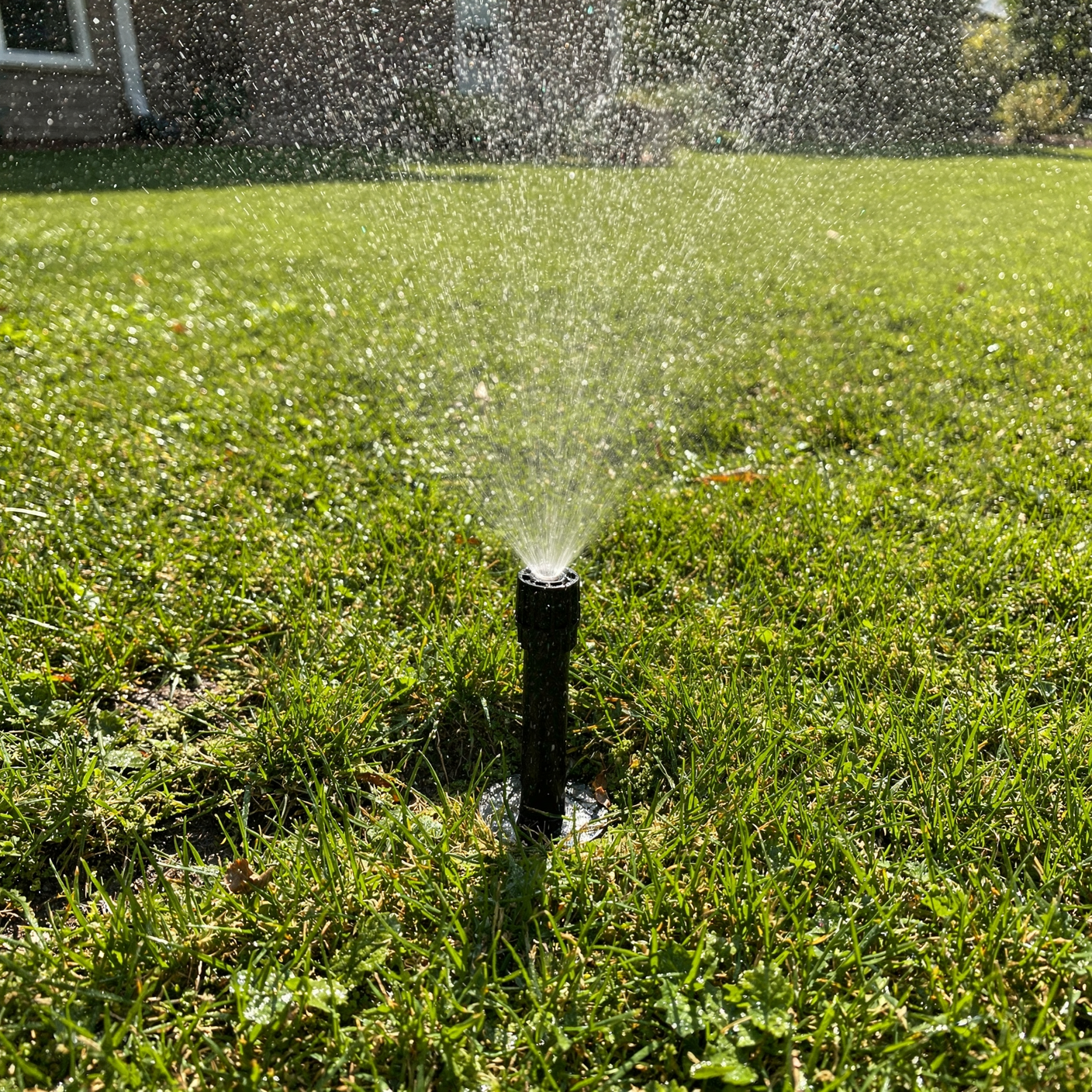
Decide who installs sleeves under paving before it's poured, who brings water and power to the controller, and who handles start-up and the first winterization. On Suffolk County Water Authority service, commercial properties need a backflow device, and test results are filed by state-certified testers.
3. Warranty start date
Say whether the warranty starts at substantial completion, punch list sign-off or owner acceptance, and who waters during the warranty period. Plants that die from no water are the classic warranty fight.
Send it once, get bids you can level
Send the package with the revision date and bid due date to every bidder at the same time. A complete package gets you bids you can level in an afternoon instead of a week of RFIs.
Sources: AmericanHort (ANSI Z60.1)