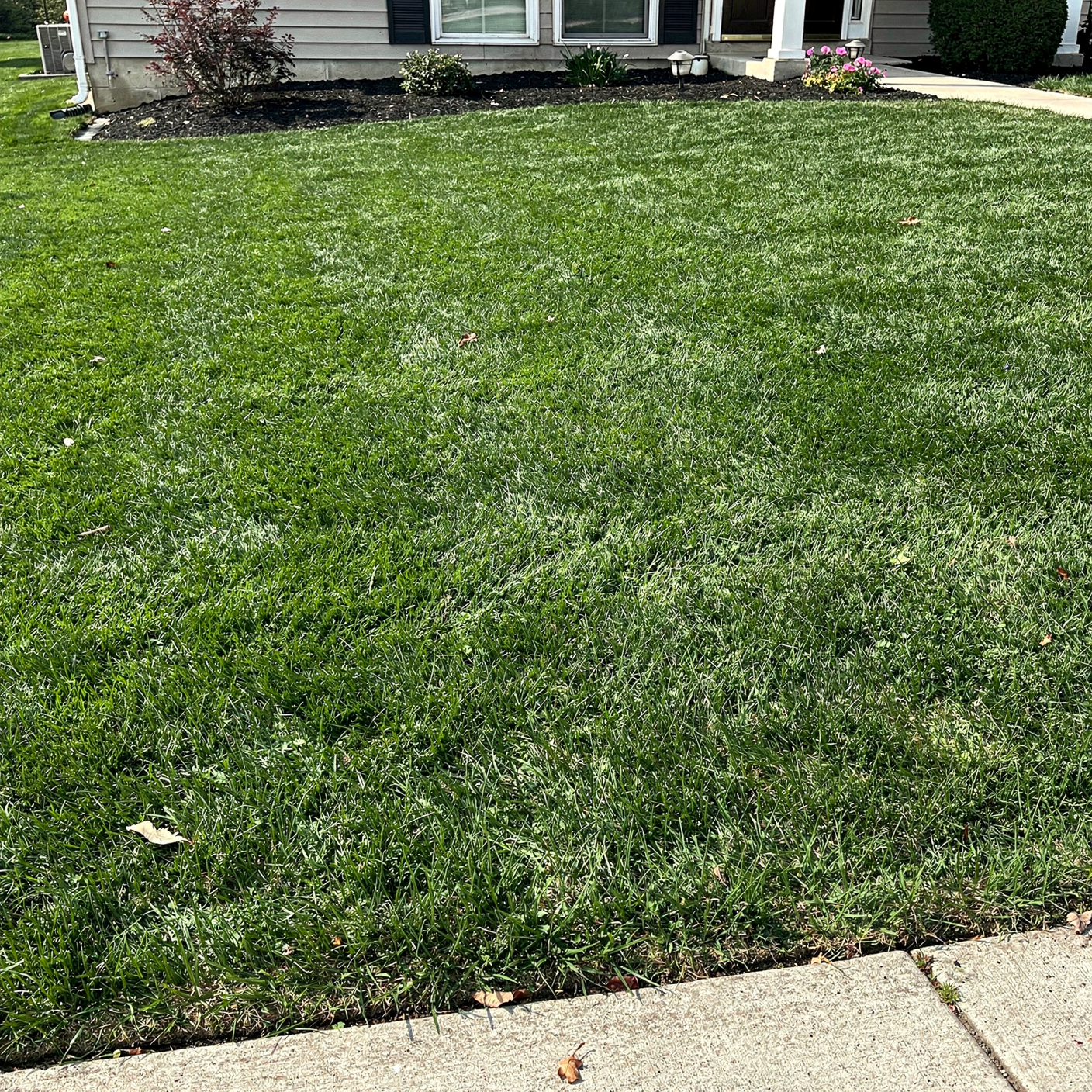
Why Long Island lawns struggle
Most Long Island soil is sandy and naturally acidic. Sand drains fast, so water and nutrients wash through before the roots can use them, and acidic soil locks up the nutrients that are there. That's why so many lawns look thin and yellow by July even when they're watered.
A good lawn program fixes the soil first and the grass second: correct the pH with lime, feed with slow-release fertilizer the grass can use over weeks, and stop crabgrass and broadleaf weeds before they take over the thin spots.
What a lawn care program includes
- Slow-release fertilizer timed to the season
- Lime to raise soil pH
- Pre-emergent crabgrass control in spring
- Broadleaf weed control (dandelion, clover)
- Fall feeding to build roots for winter
- Notes after each visit on what we saw
Licensed. Weed control and other regulated applications are handled under a New York State DEC commercial applicator license, so treatments are applied legally and at label rates.
Suffolk County fertilizer rules we follow
Suffolk County restricts fertilizer application from November 1 through April 1, and New York State limits phosphorus on established lawns unless a soil test shows it's needed or you're starting a new lawn. These rules protect the groundwater Long Island drinks from. We schedule every application inside the legal window and use phosphorus-free products on established turf.
When each step happens
| Timing | What we apply |
|---|---|
| Early spring (April) | Pre-emergent + first feeding |
| Late spring (May-June) | Feeding + broadleaf weed control |
| Summer | Light feeding or spot treatment only |
| Early fall (Sept) | Feeding + lime; best time to aerate |
| Late fall (Oct) | Final feeding before the Nov 1 cutoff |
Best paired with aeration
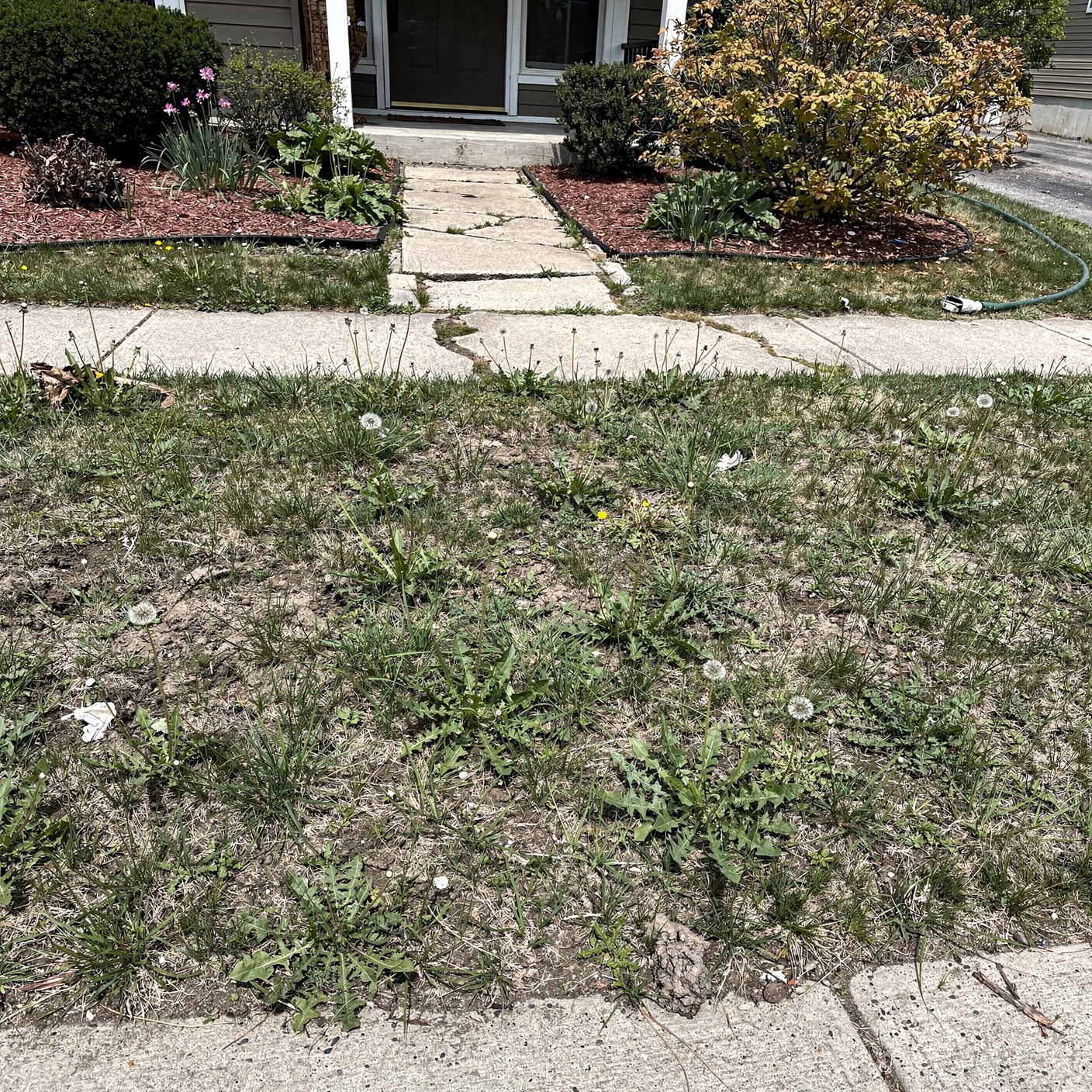
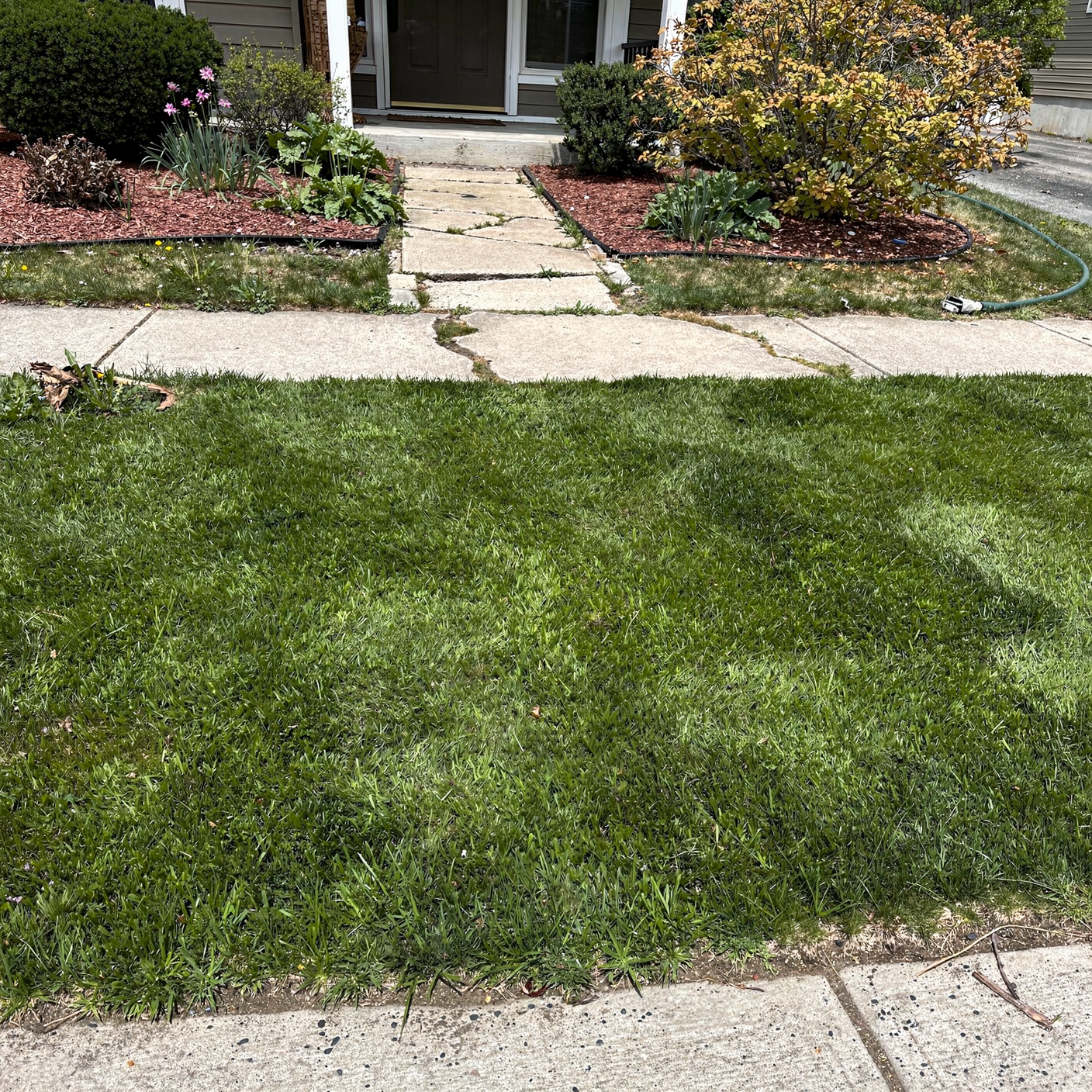
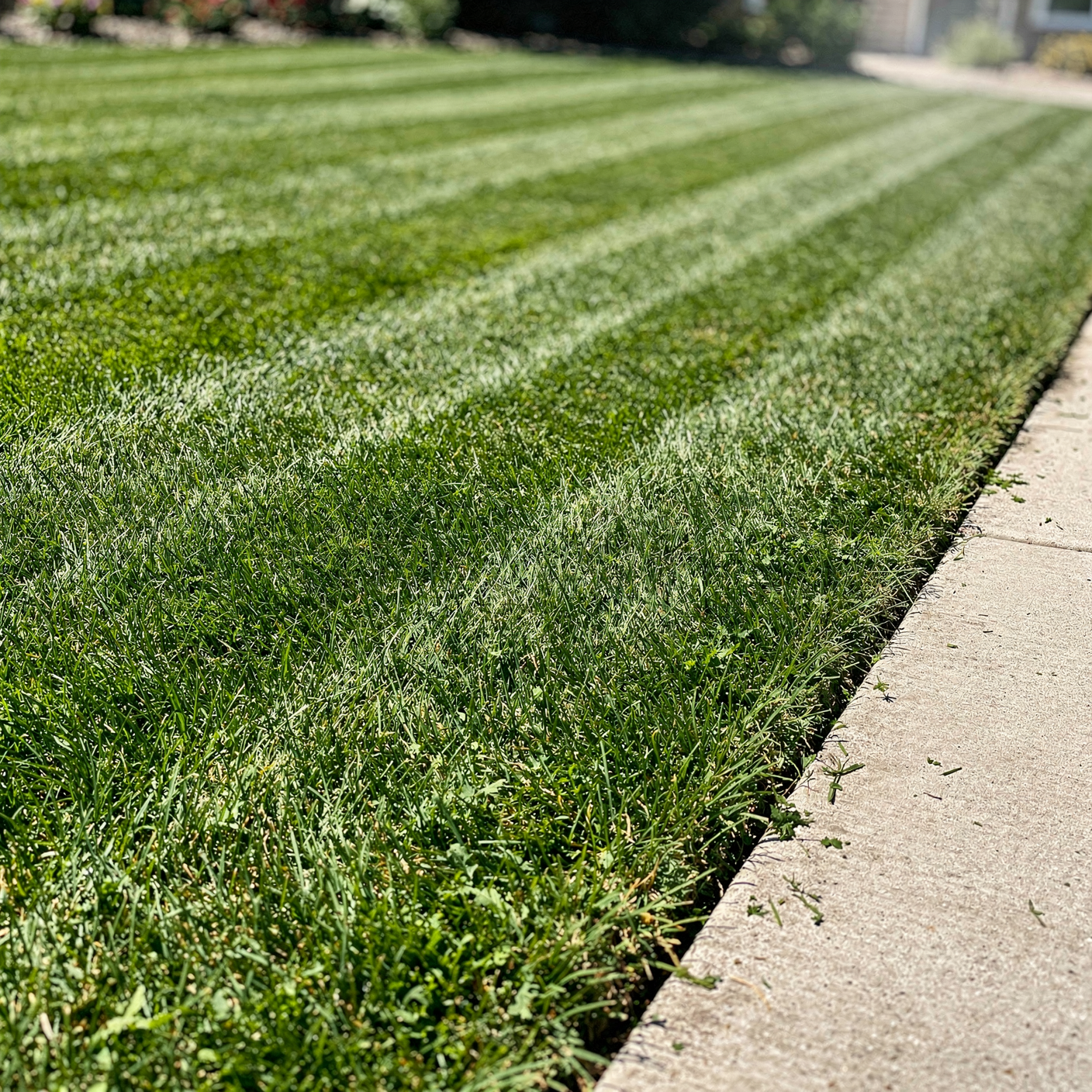
If your lawn is thin, fertilizer alone won't fill it in. You need new grass plants. The fastest fix is core aeration and overseeding in early fall, with lime and starter fertilizer going down the same day.
Where we do lawn care & fertilization
We provide lawn care & fertilization across Suffolk County and parts of Nassau, including: