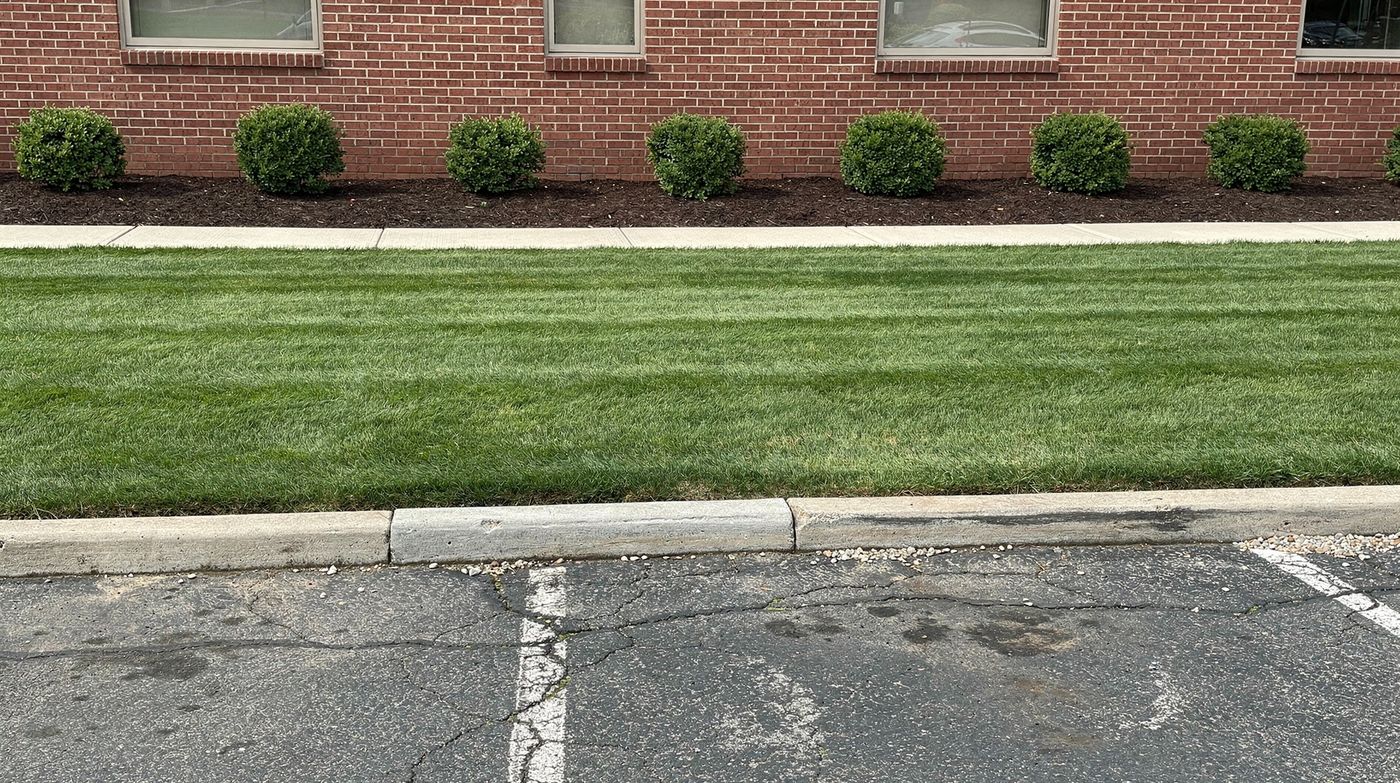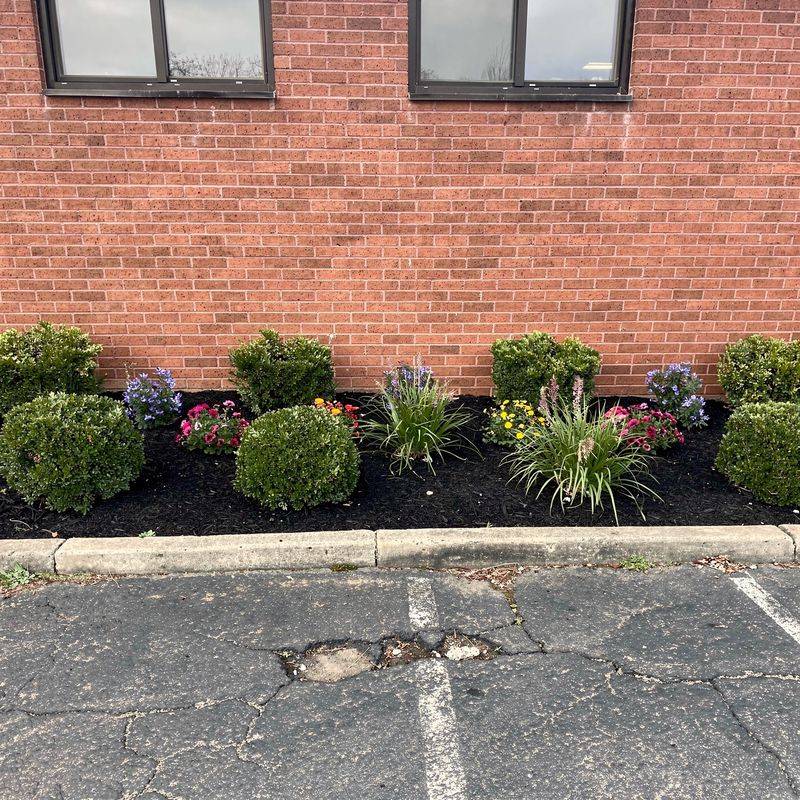
It's July. The grass is getting cut, mostly. The beds are full of weeds, the shrubs haven't been touched since spring, and your calls go to voicemail. You're ready to switch, but you're worried about the hassle, the contract, and a gap where nobody's taking care of the property.
Good news: switching midseason is common, and it doesn't have to be messy. Here's how it works, what to check in your contract, what it costs, and how to make the handoff painless.
Can you switch landscapers in the middle of the season?
Yes. There's no rule that says you have to wait until spring. The only thing that controls when you can leave is your current contract, so pull it out and look for three things:
- The termination clause. Most commercial maintenance agreements let either side end the contract with written notice, commonly 30 days. Some only allow it "for cause," meaning you have to show they didn't do the work. Missed visits and unanswered complaints usually count, so keep your emails.
- How you're billed. Many contracts spread the season into equal monthly payments. By July, the contractor has done more work (spring cleanup, mulch, weekly mowing) than your payments have covered, and some contracts let them bill the difference if you leave. Read this section before you send notice.
- Auto-renewal. If the contract renews automatically, note the date. Even if you stay through the season, you may need to send notice months ahead to stop another year.
Signs it's time to switch
Most property managers don't switch over one bad visit. They switch when the same problems keep coming back:
| What you're seeing | What it usually means |
|---|---|
| Visits skipped or cut short, especially after rain | The crew is overbooked and your property gets dropped |
| Clippings on walks, beds not edged | They're mowing and leaving; the detail work isn't happening |
| Weeds taking over beds by midsummer | Bed care is in the contract but isn't being done |
| Sprinklers running in the rain, or dry dead patches | Nobody's checking the irrigation |
| Calls and emails go unanswered for days | No one is managing your account |
| You hear about problems from tenants first | No one is walking the property |
How the switch works, step by step
Here's what a clean midseason switch looks like. Your part is mostly the first two steps; the new contractor should handle the rest.
- Send the new contractor the address and your current scope
Your current contract or scope sheet is the fastest way to get a price you can compare. No written scope? Tell them what you expect: mowing, beds, shrubs, cleanups, irrigation.
- Walk the property together (within a few days)
This is where the new contractor sees what condition the property is really in. A good one will point out what's overdue, take photos, and ask about access, water and tenant rules.
- Get a proposal with two separate prices
One for regular maintenance going forward, and a separate one-time price to catch up on what the old crew skipped. Keeping them apart keeps the monthly number honest and shows ownership exactly what was left behind.
- Collect the insurance certificate, then send notice
Get the new contractor's certificate of insurance first. Then send your current contractor written notice per the contract, by email, and keep a copy.
- Set the start date to match the notice
The new crew's first visit should land on or right after the old contract's last day. That's how you avoid a week of tall grass in between.
- First visits: catch-up first, then the routine
The first week or two usually focuses on catching up: cutting back overgrowth, a deep weeding pass, edging and pruning. Then the property moves onto the regular schedule.
- Check in after 30 days
By the end of the first month you should see the difference. Walk the site, or ask for photos if you manage it remotely.
What switching costs
There are two costs to plan for. The regular maintenance price should be close to what you were paying, if the old scope was fair. The catch-up depends on how far behind the property is.
Typical published market ranges, not Green Horizon quotes. Commercial properties are priced after a walkthrough.
| Item | Typical range |
|---|---|
| Full-service commercial maintenance | $800 to $1,600 per acre, per month |
| Overgrown bed cleanup (larger property) | $800 to $1,800+ |
| Shrub pruning catch-up | $15 to $65 per shrub, by size |
| Mulch, installed (Long Island) | $90 to $155 per cubic yard |
How to make the switch painless
| You handle | The new contractor should handle |
|---|---|
| Send the address and current scope | Walk the site and photograph existing conditions |
| Read your termination clause | Price the catch-up separately from the monthly scope |
| Send written notice to the old contractor | Send the insurance certificate before the first visit |
| Name one contact who approves extra work | Find the irrigation controller, shutoffs and backflow device |
| Share keys, gate codes and tenant rules | Follow those rules from day one and report after the first visit |
Photos at the start protect everyone. If a bed was already dead or a curb was already broken, the photos show it was there before the new crew started.
Common mistakes when switching
- Firing the old contractor before the new one is insured and scheduled. That's how you get a two-week gap in July.
- Losing the irrigation information. Get the controller location, codes and who winterized last year. See who handles irrigation at a condo or apartment complex.
- Burying catch-up work in the monthly price. It hides what was left behind and makes next year's comparison harder.
- Switching in September without fall cleanup in the scope. Make sure leaf cleanups and the irrigation shutdown are included.
- Forgetting snow. If the same contractor plowed, line up winter coverage now. See seasonal vs. per-push snow contracts.
Sources: NYS Department of Financial Services