What aeration actually does
A core aerator pulls finger-sized plugs of soil out of the lawn, every few inches. That opens up compacted soil so water, air and fertilizer reach the roots instead of running off. The plugs break down on the surface in a week or two.
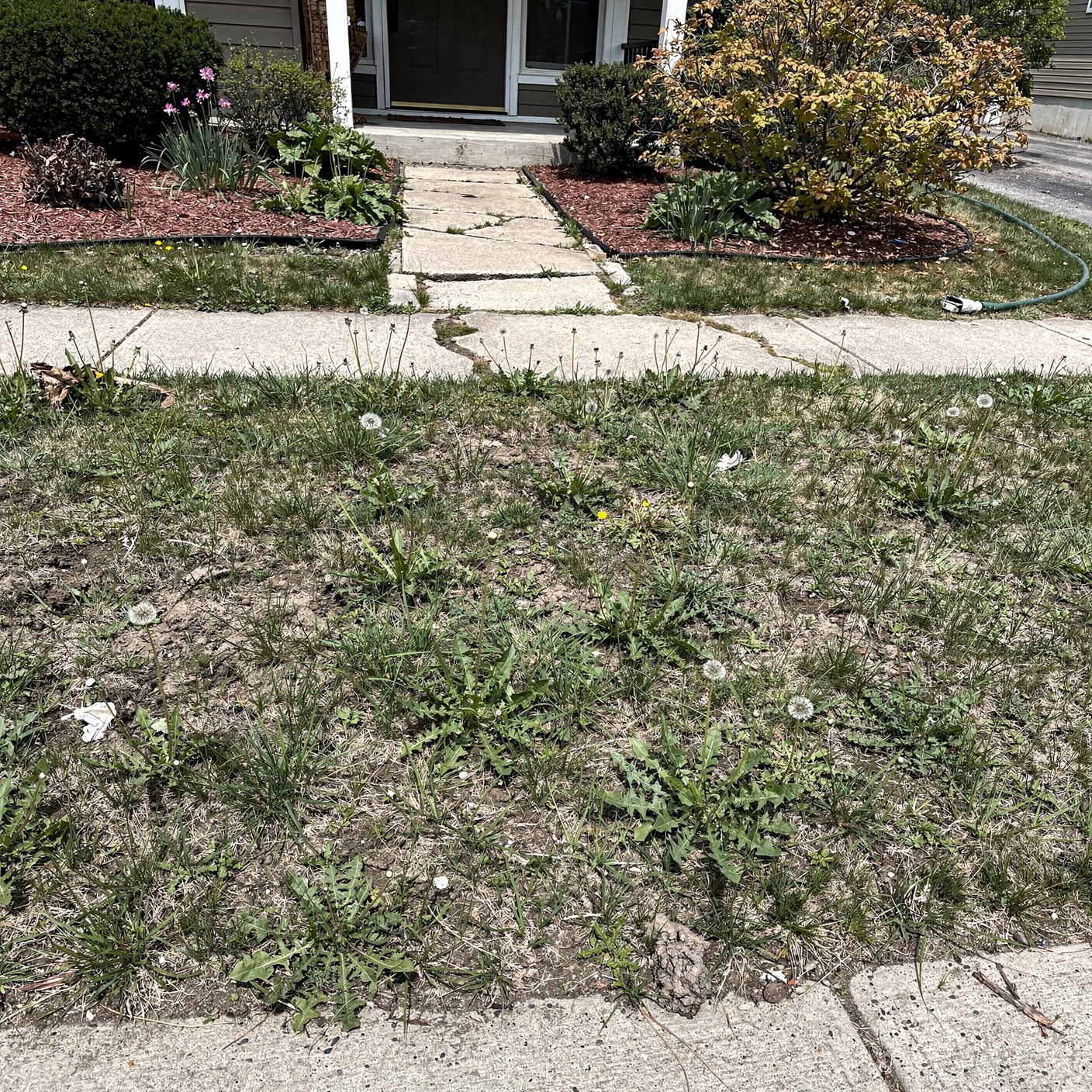
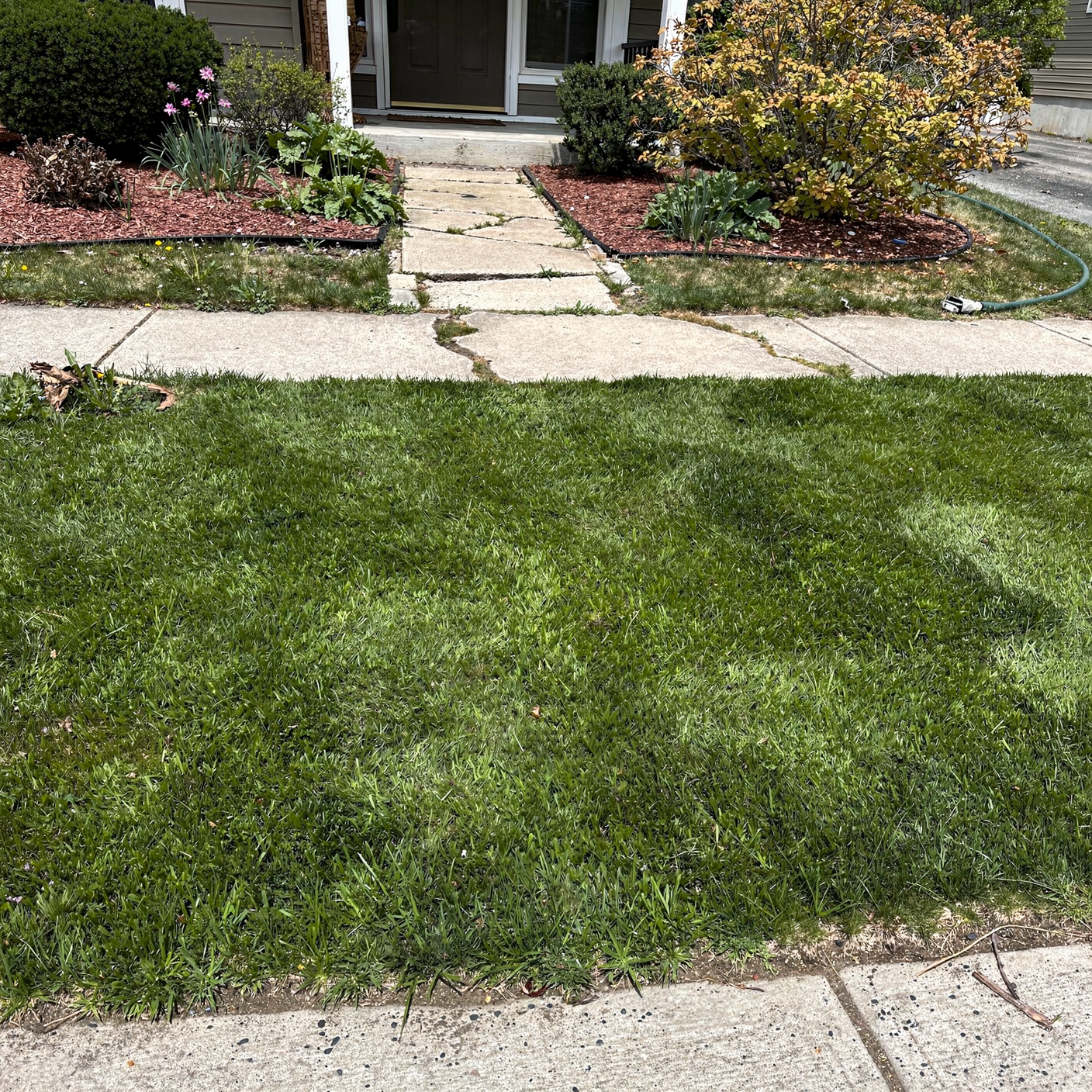
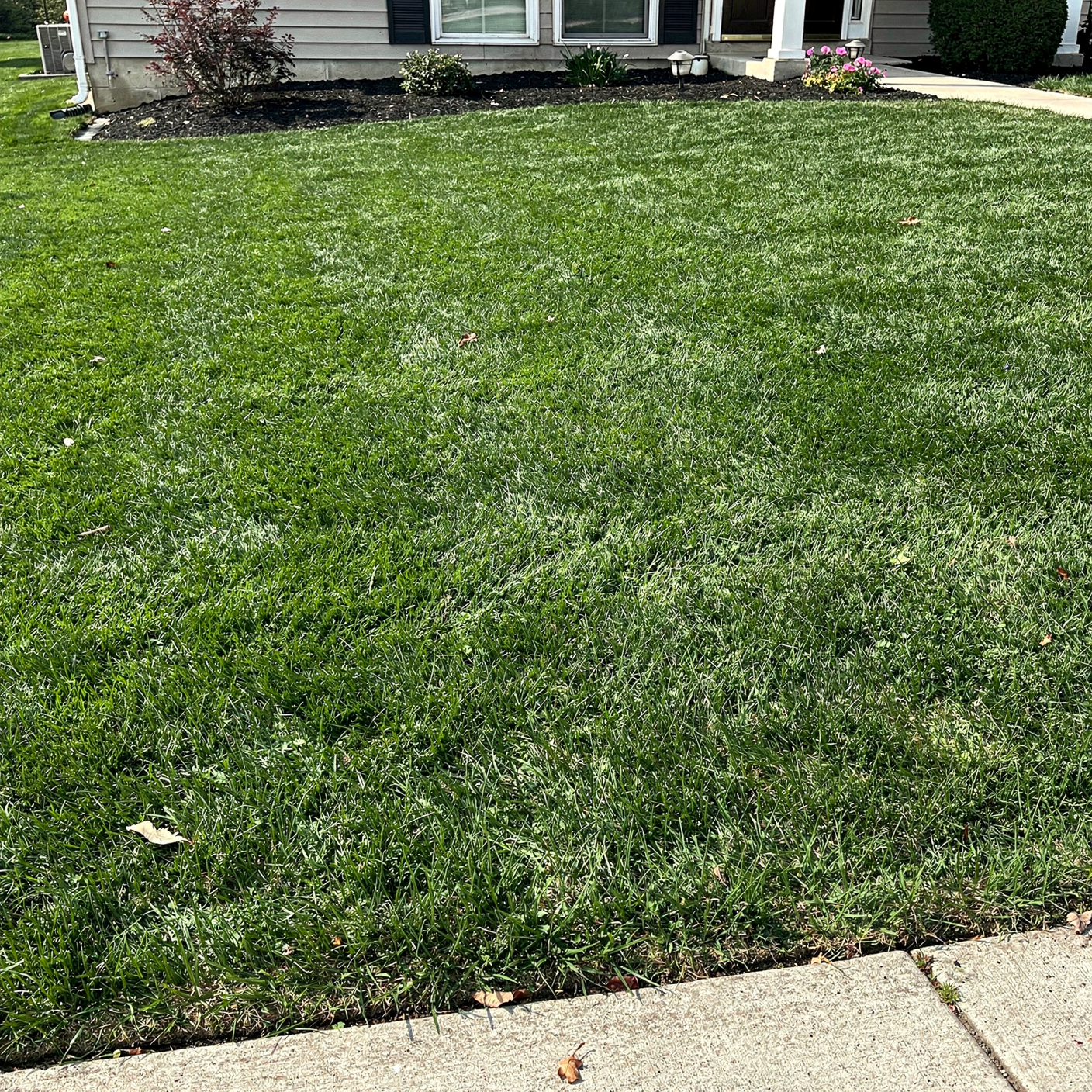
Overseeding right after aeration is where the payoff is. Seed falls into the holes, gets direct soil contact, and stays protected while it germinates. New grass plants fill in the thin spots, and a lawn overseeded every year or two gets thicker and crowds out weeds on its own.
What's included
- Core aeration of the full lawn
- Contractor-grade sun & shade seed blend
- Starter fertilizer the same day
- Watering instructions for germination
- Optional dethatching for thick thatch
- Optional lime to correct soil pH
When to aerate on Long Island
For the cool-season grasses that grow here (tall fescue, Kentucky bluegrass and perennial ryegrass), late August through mid-October is the best window. The soil is still warm enough for fast germination, the nights are cooler, and new grass gets a full fall to root before winter. We start fall aeration routes in early September, and seeding gets risky once we pass mid-October.
Spring aeration works too, but seed planted in spring has to survive a Long Island summer with young roots, and spring crabgrass control can stop new seed from coming up.
How it works
- Free quoteSend your address and we will text you a quote.
- Mark sprinklersIf you have an irrigation system, flag the heads (or let us) so the aerator avoids them.
- Aerate, seed, feedOne visit: core aeration, overseeding, and starter fertilizer.
- Water it inKeep the top inch of soil moist for 2-3 weeks. Short, frequent watering beats long soaks.
Watering is half the result. Seed needs to stay damp to germinate. If you have a sprinkler system, we can adjust the schedule for you. See sprinkler systems.
Where we do aeration & overseeding
We provide aeration & overseeding across Suffolk County and parts of Nassau, including: