Sod or seed?
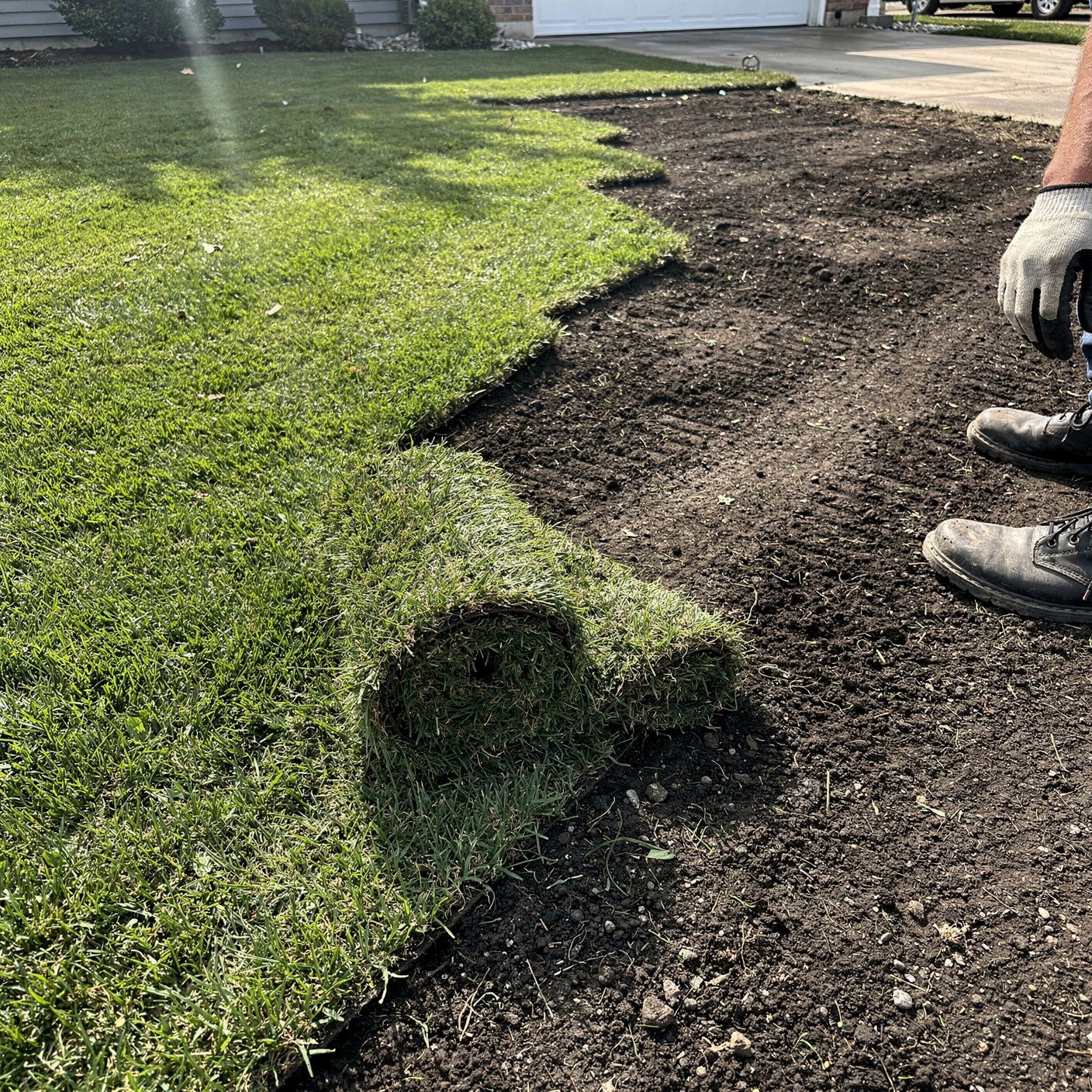
Sod gives you a finished lawn the day we leave. It's the right choice for front yards, slopes that wash out, and anyone who doesn't want to wait. Seed costs much less but takes a full season to fill in, and it needs careful watering. For a lot of backyards, seed is the smart move. We'll tell you which one makes sense for your property and budget.
What a lawn installation includes
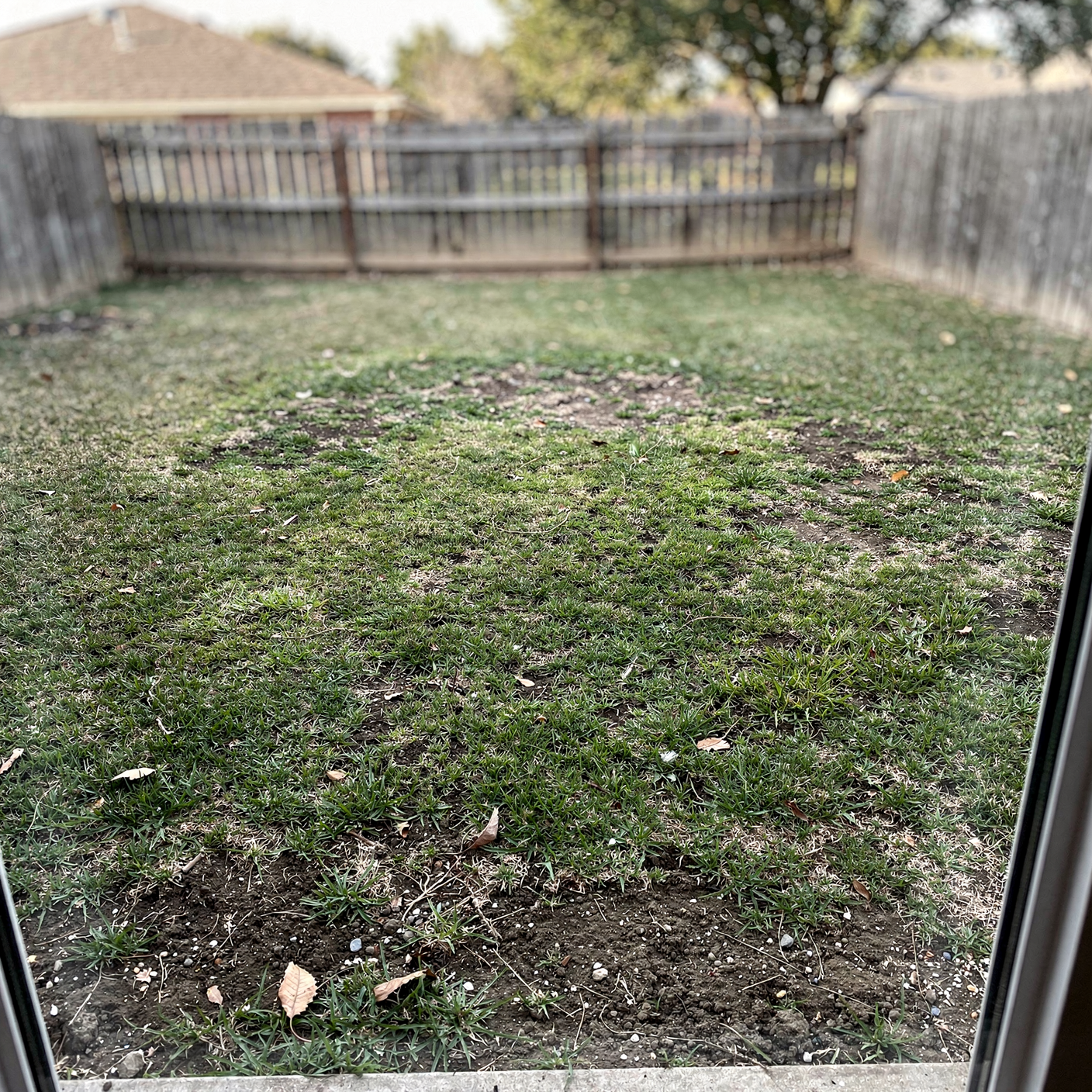
- Removal and haul-away of the old lawn
- Rough and finish grading
- Topsoil and soil amendments as needed
- Starter fertilizer
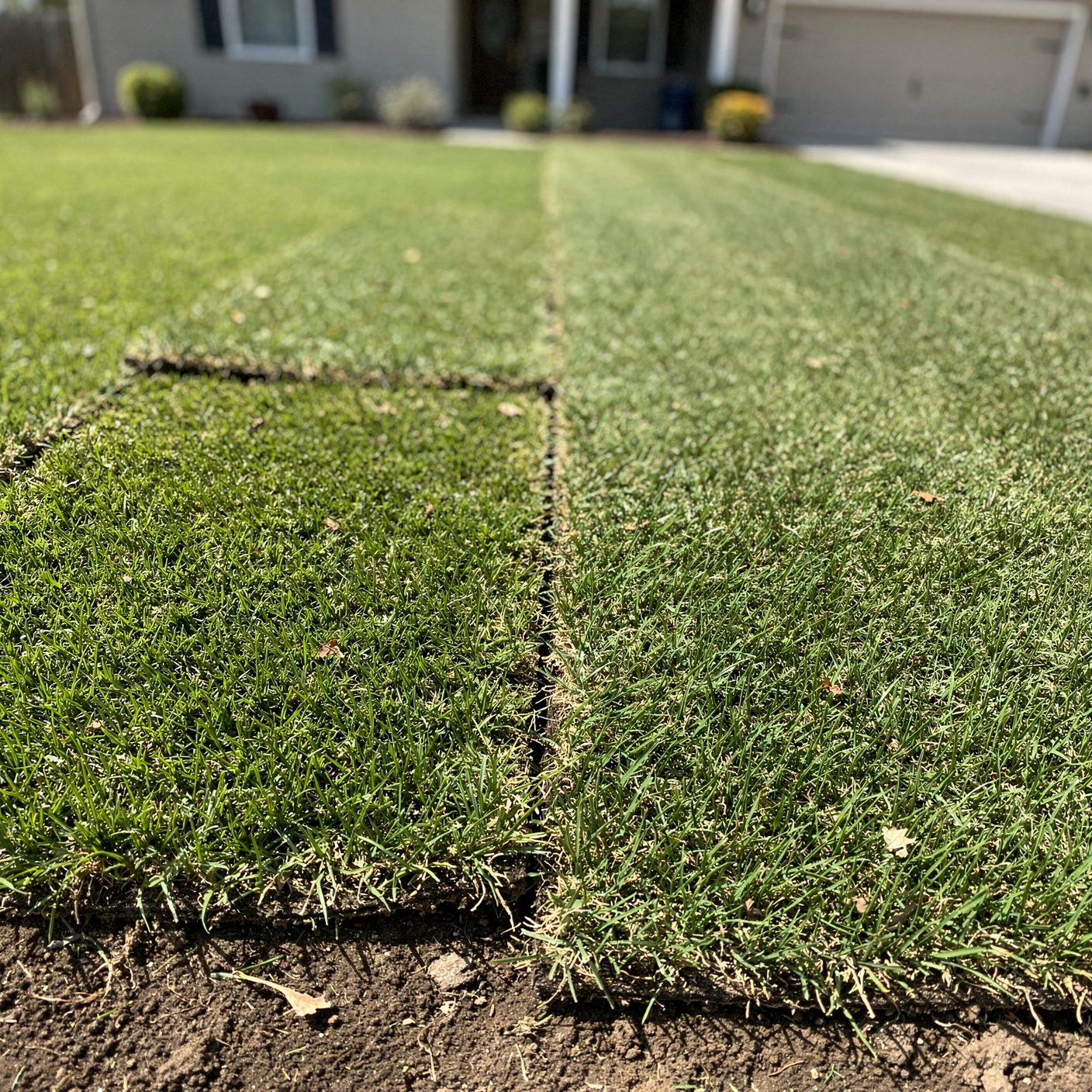
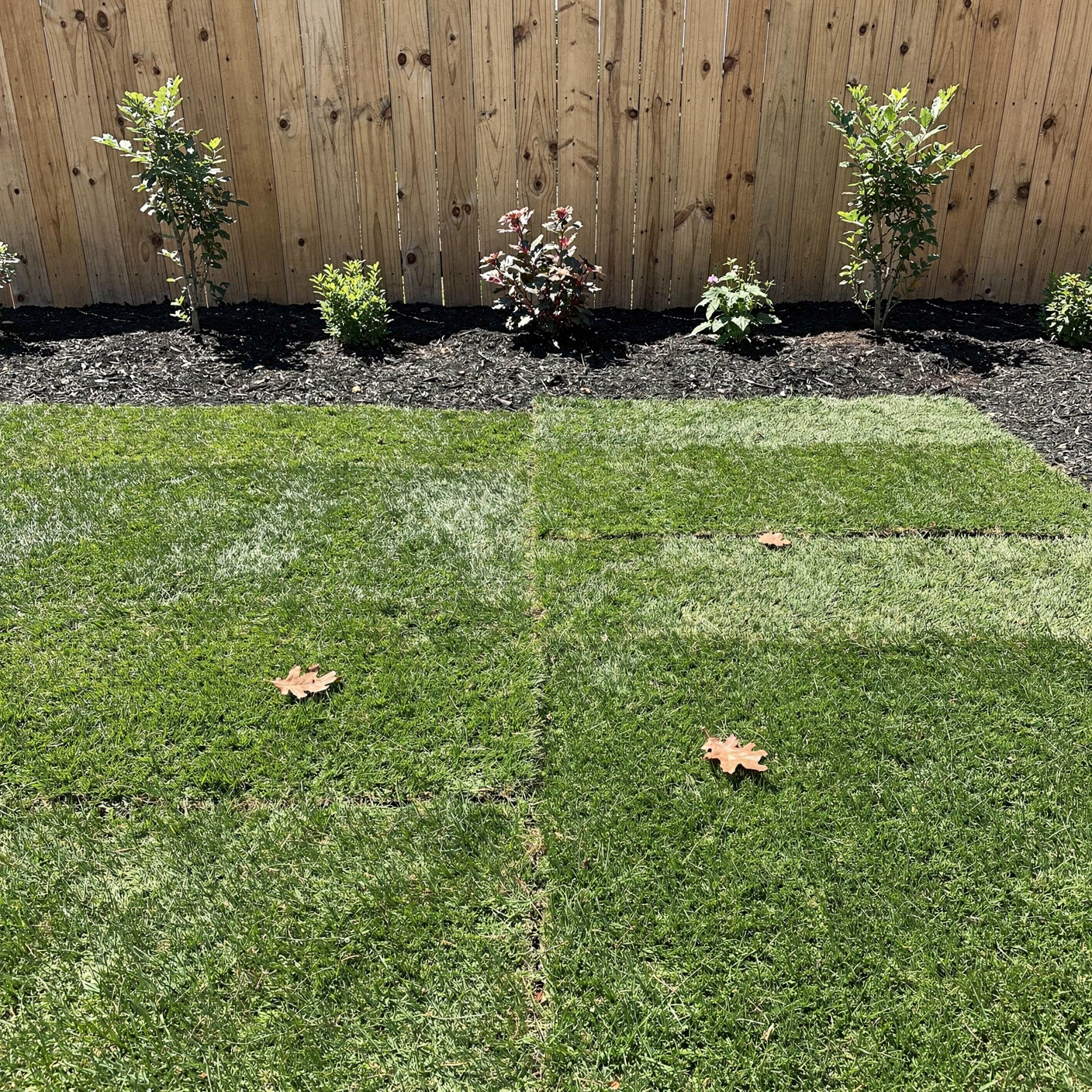
- Fresh-cut sod laid tight with staggered seams
- Rolling for root contact
The prep is what separates a lawn that lasts from one that dies by August. Sod laid on hard, unleveled soil never roots properly. We grade for drainage away from the house, add topsoil where it's needed, and roll everything so the roots touch soil.
What sod installation costs
| Area | Typical installed cost |
|---|---|
| Small area (1,000 sq ft) | $2,000-$4,000 |
| Front yard (2,500 sq ft) | $4,500-$9,500 |
| Full property (5,000 sq ft) | $9,000-$18,500+ |
Includes old lawn removal, soil prep and installation. From our 2026 cost guide.
Grass that works on Long Island
We use sod from Long Island farms, so it's already grown in our climate. The blends that hold up best here:
- Tall fescue: deep roots, handles drought and heat, good for sandy soil.
- Kentucky bluegrass: dense, soft, spreads to repair itself; needs more water.
- Perennial ryegrass: quick to establish, often blended with the other two.
Watering new sod
For the first two weeks, water every day so the sod and the soil under it stay moist. After that, cut back to deeper watering every few days so the roots grow down. We give you a written schedule on install day.
Where we do sod & new lawns
We provide sod & new lawns across Suffolk County and parts of Nassau, including: