Why pH matters
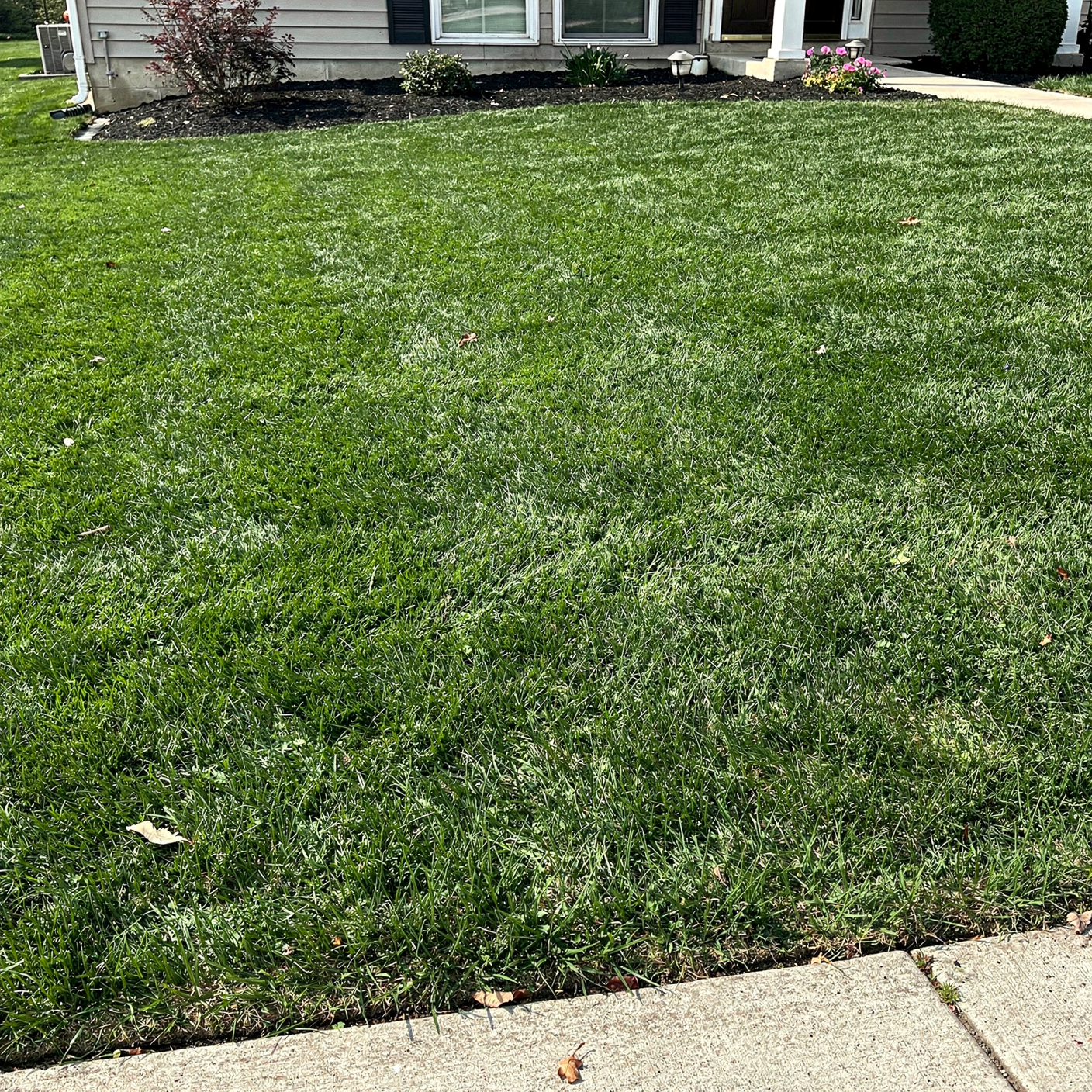
When soil is too acidic, grass can't use the nutrients that are already there, so the lawn stays thin and pale no matter how much you feed it. Suffolk County's lawn guidance says roots use nutrients most efficiently at a pH of 6.0 to 7.0. Correcting pH often does more than adding fertilizer.
Signs your lawn may need lime
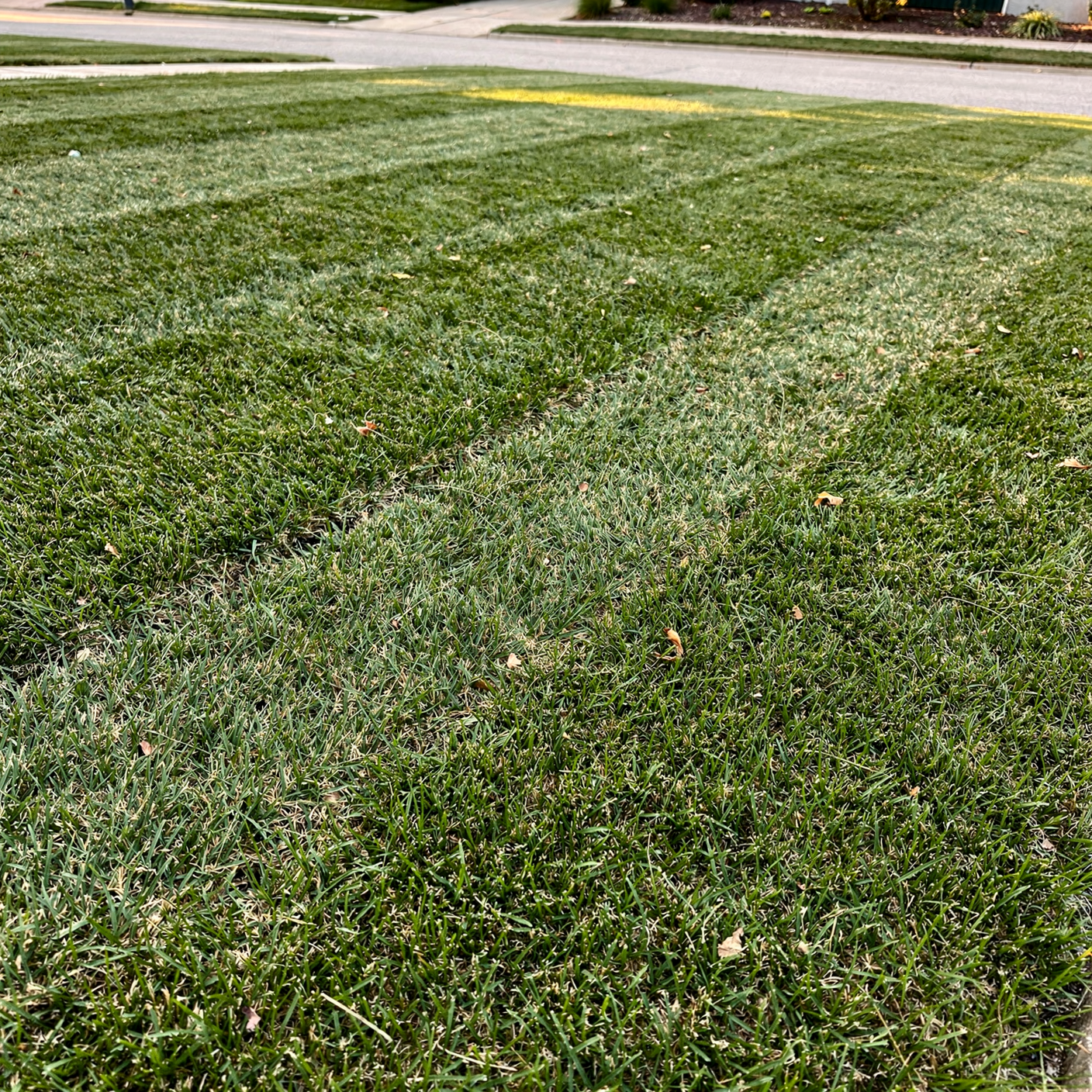
- Thin, pale or yellowing grass that doesn't respond to fertilizer
- Moss creeping into the lawn
- Weeds that like acidic soil taking over
- It's been years since the lawn was limed
These are clues, not proof. A soil test is the only reliable answer.
How to test your soil
Suffolk County recommends buying a pH test kit at a hardware store or bringing a soil sample to Cornell Cooperative Extension of Suffolk County. Take small samples from several spots, mix them, and test the blend.
When to apply lime
Cornell Cooperative Extension recommends liming in early spring or fall. Lime works slowly over months, so fall applications are ready by spring. It pairs well with core aeration, which helps it reach the root zone.
How much lime?
That depends on your starting pH and soil type, which is why a soil test matters. Too much lime can push pH too high, which causes its own problems. Follow the test recommendation.
Lime vs. fertilizer
Lime corrects soil acidity; fertilizer feeds the grass. They do different jobs, and many lawns need both. Fertilizer timing on Long Island is regulated, so see our Suffolk County fertilizer schedule.
Calcitic vs. dolomitic lime
Cornell Cooperative Extension explains that calcitic limestone is used when calcium is the only nutrient needed, while dolomitic limestone also supplies magnesium. A soil test tells you which one fits.
How lime works
Lime reacts slowly. Cornell advises applying it at least three to four months before you need the pH change, and notes it works best when worked into the surface soil, which is why it's often paired with core aeration on lawns. On established lawns, early spring or fall are the usual times.
Reading a soil test
- pH below 6.0: soil is acidic, and lime is usually recommended.
- pH 6.0 to 7.0: the range Suffolk County's guide calls best for lawns.
- pH above 7.0: don't lime.
Follow the test's recommended rate, since the amount depends on your starting pH, soil and the product's strength.