Usually no permit needed
- Planting trees, shrubs and flowers
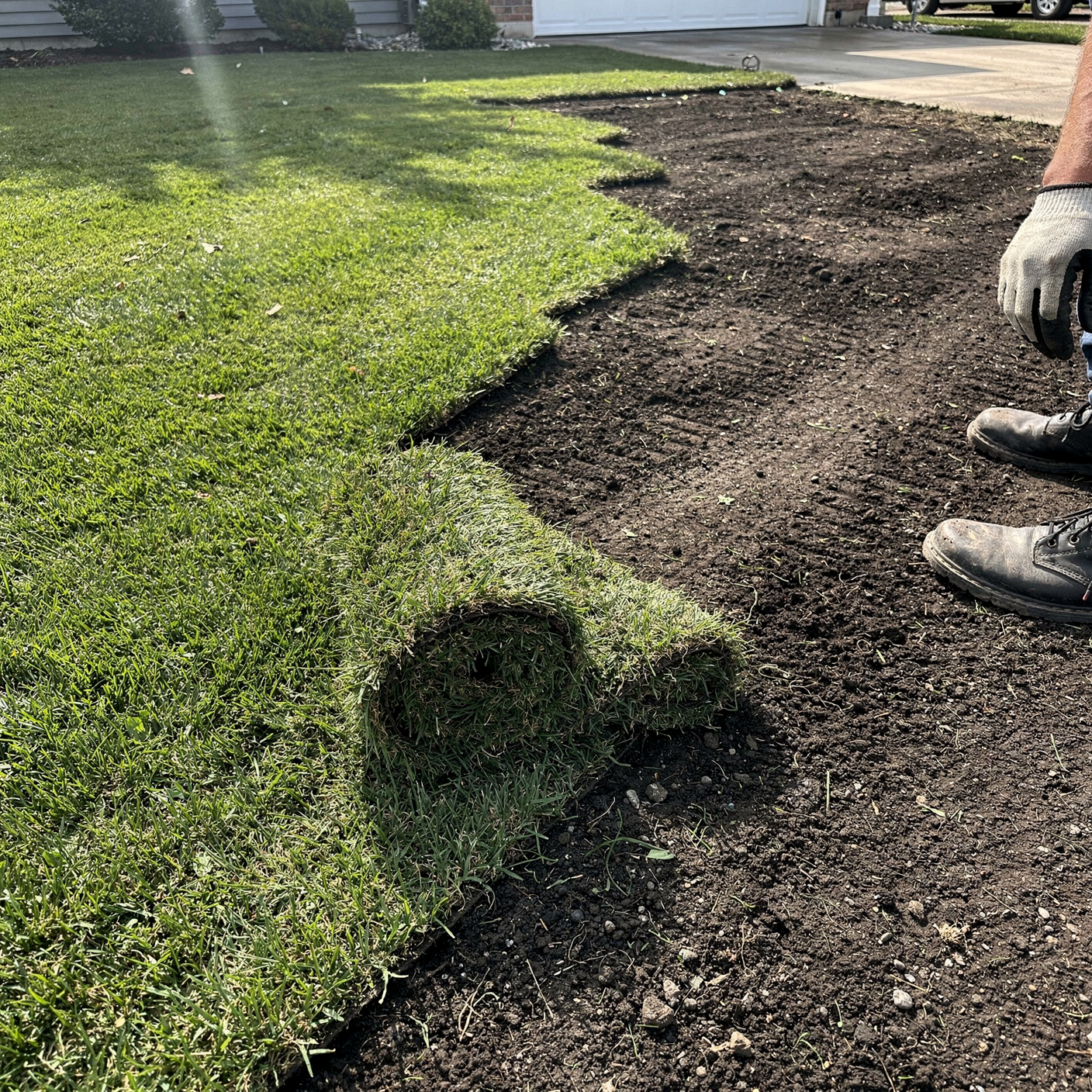
- Mulch, sod and seeding
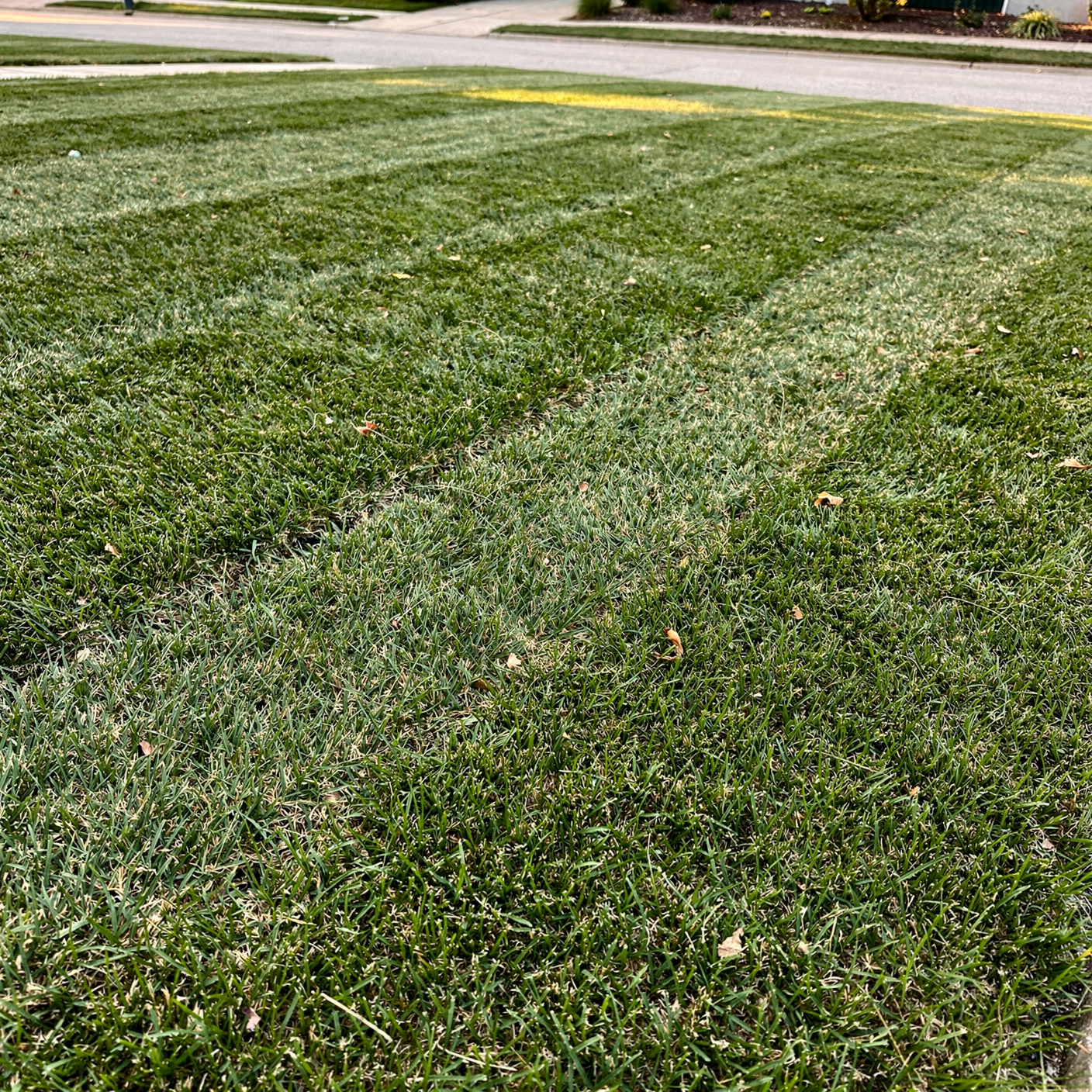
- Lawn care, aeration and cleanups
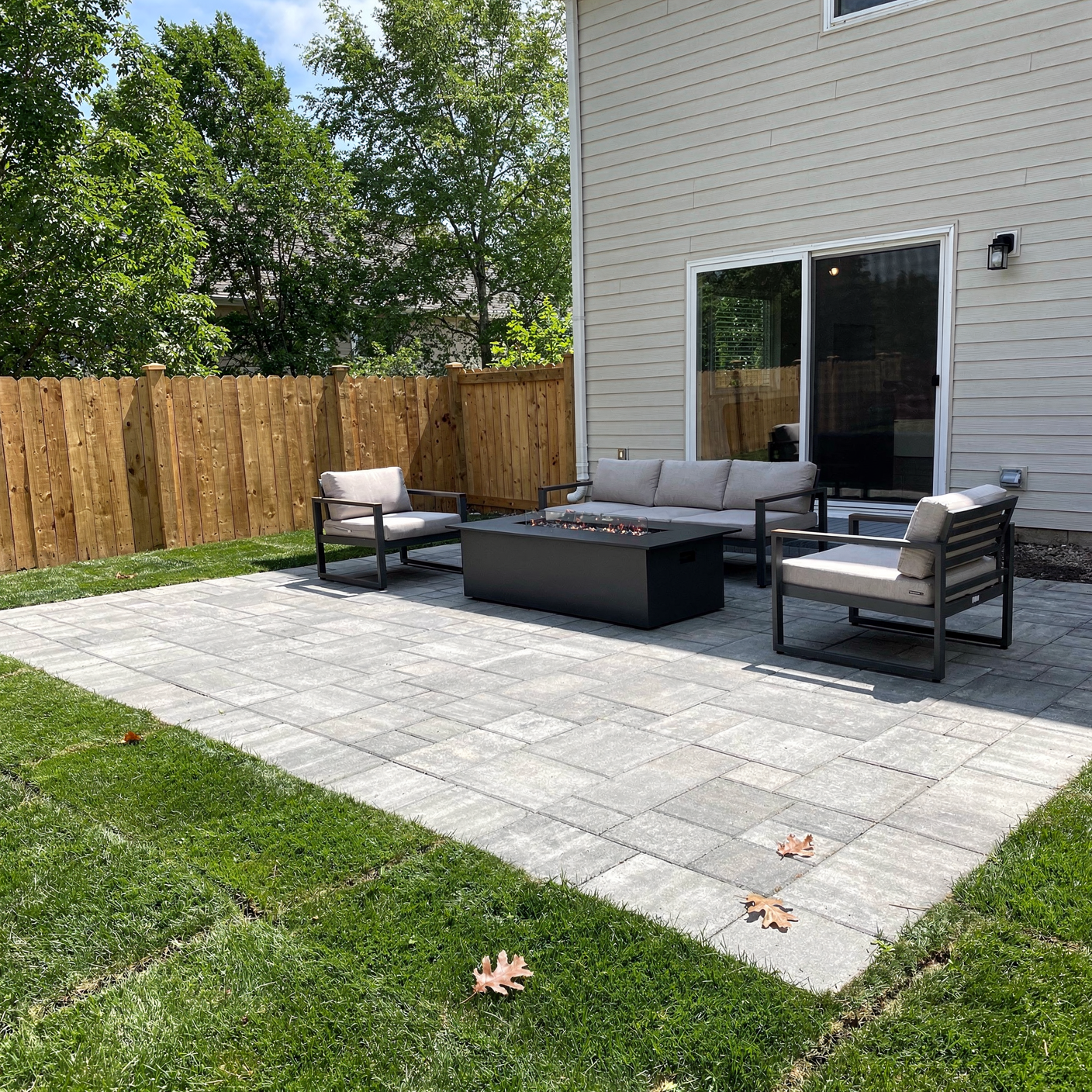
- Ground-level paver patios and walkways in most towns
Projects that often need a permit
Tree removal
Several Long Island towns and villages regulate removing trees, especially larger trees or clearing on bigger lots. Fines for unpermitted removal can be significant, so check before you cut.
Retaining walls
Low garden walls are usually fine. Taller walls, or walls holding back a driveway or structure, commonly need a permit and an engineered design.
Pools and pool barriers
Pools need permits, and so do the barriers around them. New York's code requires a pool barrier at least 48 inches high with self-closing, self-latching gates that open away from the pool. If you're landscaping around a pool, plantings and patios can't create a way to climb the barrier.
Fences
Many towns limit fence height, especially in front yards and on corner lots where drivers need to see.
Grading and drainage
Changing grades so water runs onto a neighbor, or installing drywells, can require approval.
Wetlands and waterfront
Long Island has miles of bays, harbors, creeks and ponds. New York State DEC regulates work in and near tidal and freshwater wetlands, and the regulated area can extend inland from the wetland edge. If you're near the water, check with the DEC and your town before clearing or grading.
Who to call
Start with your town building department: Babylon, Brookhaven, Huntington, Islip or Smithtown in western and central Suffolk, or Oyster Bay or Hempstead in Nassau. If you live in an incorporated village, such as Patchogue, Northport, Babylon, Lindenhurst, Brightwaters or Bellport, the village usually handles it.
General information, not legal advice. Your town or village building department has the final word.
Waterfront properties: the 300-foot rule
NYS DEC regulates tidal wetlands and their adjacent areas, which extend up to 300 feet inland from the wetland boundary outside New York City. DEC generally requires a permit for almost any activity that alters wetlands or those adjacent areas, including grading, filling, excavating and clearing vegetation. If you live near a bay, harbor, canal or creek, check with DEC before major landscape work.
Fertilizer near the water
New York's Nutrient Runoff Law also restricts fertilizer applications within 20 feet of a water body and on paved surfaces. Waterfront lawns need extra care with what goes down near the shoreline.
Pool projects
New York's pool code requires barriers at least 48 inches high, openings that won't pass a 4-inch sphere, and self-closing, self-latching gates. Plantings, walls and planters near the barrier can't create a way to climb it. Plan landscaping and patios with the barrier in mind before the permit is filed.
Before you start any project
- Call 811New York's dig-safe service marks underground utilities before digging.
- Check your town or villageConfirm whether the project needs a permit or variance.
- Check deed or HOA rulesSome communities have their own landscape or fence rules.
- Check for wetlandsWaterfront lots may need DEC approval.