Seed by condition
| Your lawn | Best choice |
|---|---|
| Shady, under trees | Fine fescue blend |
| Kids, dogs, heavy use | Tall fescue blend |
| Dry, sandy, little watering | Tall fescue blend |
| Full sun, well kept | Bluegrass + ryegrass + fine fescue mix |
| Full sun, low maintenance | Fine fescue mix or tall fescue |
Based on Cornell Cooperative Extension of Nassau County's lawn grass recommendations.
The main Long Island grasses
Tall fescue
Deep-rooted, wear tolerant and the most drought tolerant common lawn grass. Cornell recommends it for high-traffic areas and suggests using two or three tall fescue varieties together.
Fine fescues
The best choice for shade and dry soil, and they need little fertilizer. They don't hold up well to heavy wear.
Kentucky bluegrass
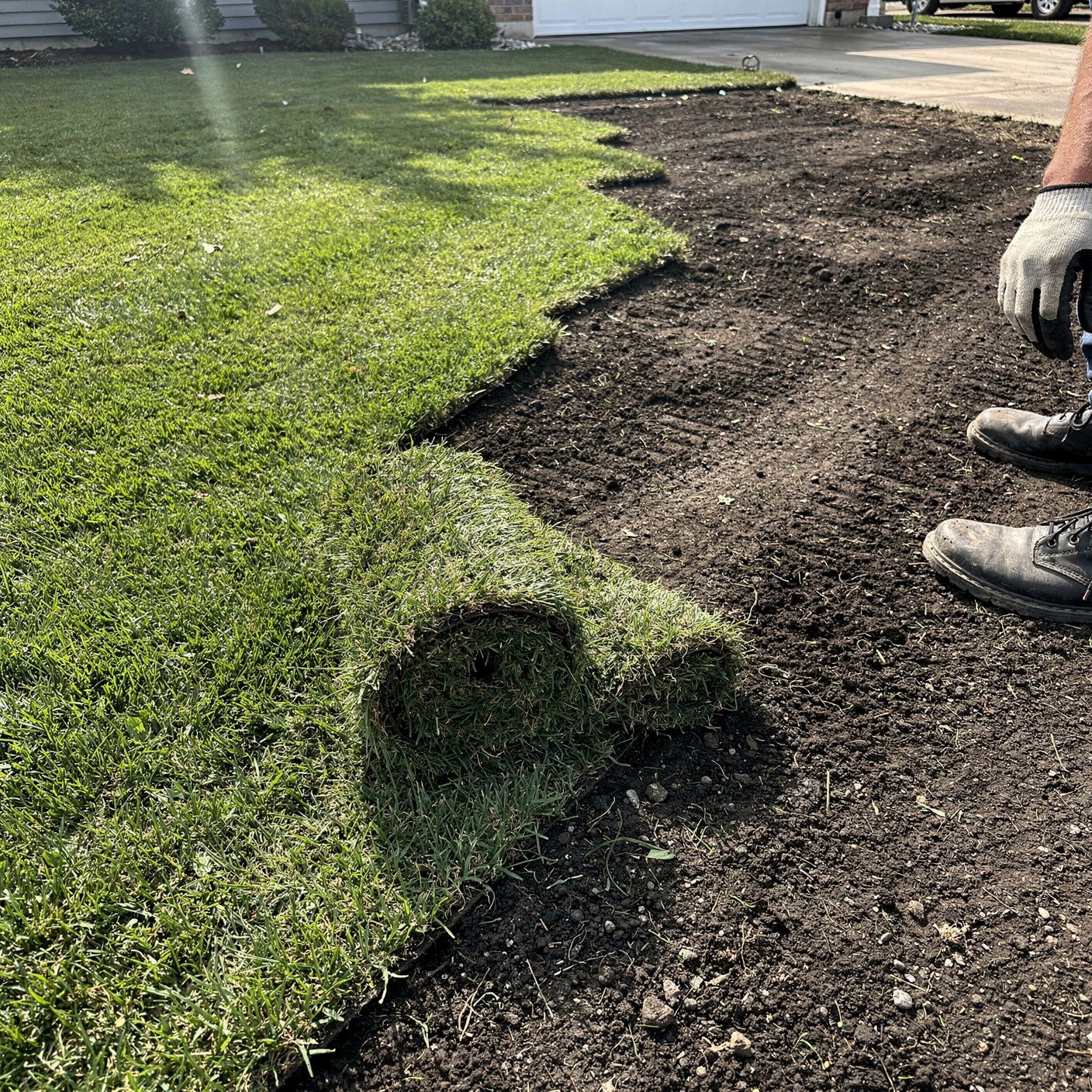
Soft, dense and self-repairing, but it needs regular feeding and water to avoid summer dormancy. Cornell notes bluegrass seed can take 45 to 90 days to form a dense lawn, which is why it's often installed as sod.
Perennial ryegrass
Sprouts fastest and blends well with bluegrass. It's a common part of sunny-lawn mixes.
Tips for better results
- Use more than one variety. Cornell calls mixing varieties good practice.
- Look for endophyte-enhanced varieties, which Cornell notes help deter chinch bugs and sod webworms.
- Seed in late August through late September.
- Correct soil pH first. See does your lawn need lime?
Seeding rates
| Mix | Cornell rate (new lawn) |
|---|---|
| Bluegrass, ryegrass, fine fescue (sun) | 3 to 4 lbs / 1,000 sq ft |
| Fine fescue mix (sun, low maintenance) | 4 to 5 lbs / 1,000 sq ft |
| 100% tall fescue blend | 7 to 10 lbs / 1,000 sq ft |
| Fine fescue blend (shade) | 4 to 5 lbs / 1,000 sq ft |
Fertilizer needs by grass
Suffolk County's lawn guidance notes that fine fescues need little to no fertilizer, perennial ryegrass needs moderate to high feeding, and Kentucky bluegrass should be fertilized regularly. Tall fescue performs best when properly fed with nitrogen. Picking the right grass can cut how much you feed.
Reading a seed label
- Mixture vs. blend: a mixture has two or more grass species; a blend has varieties of one species.
- Weed seed and crop seed: lower is better.
- Germination rate and test date: fresher seed sprouts better.
- Endophyte-enhanced: helps with some insect pests, per Cornell.